

10 Signs Your Body Needs a Massage: A Guide for Prosper Residents
How to read the signals your body sends long before pain stops you.

What Your Body Is Trying to Tell You
Your shoulders creep up toward your ears during a long meeting. You crack your neck three times before lunch. And you tell yourself it's just stress, just a bad night's sleep, just getting older. But your body's been sending you signals for weeks, maybe longer. Most people wait until pain stops them cold before they book anything. We see this often at our Prosper location, clients who waited six months longer than they should have.
So how do you know it's time? Here are the signs we hear about most from clients walking through our door on Prosper Trail.
- Tight shoulders or a stiff neck that won't loosen up even after stretching or a hot shower.
- Headaches that show up in the afternoon, especially if you sit at a desk most of the day.
- Trouble sleeping through the night because your body won't settle down.
- Soreness that lingers days after a workout, longer than it used to.
- A general feeling of being "wound tight," like you can't fully relax even when you try.
Those five cover the physical stuff. But there's more your body's telling you.
- Lower back pain that flares up after sitting in traffic on the Dallas North Tollway or standing at your kid's soccer game.
- Reduced range of motion in your neck, hips, or shoulders you didn't notice creeping in.
- Feeling mentally foggy or unfocused, even after a full night's rest.
- Grinding your teeth or clenching your jaw without realizing it until your jaw aches.
- Skin that looks tired or dull, which can tie back to circulation and built-up tension.
That last one surprises people. Massage supports circulation, and better blood flow can help skin look more alive. It's one reason our Deep Tissue Massage includes Red Light Therapy, so muscle relief and support for skin's natural glow happen in one visit.
Here's a scenario we see often. A client came in after weeks of tension headaches. She worked remote, sat at the same desk chair for eight hours a day, and figured the headaches were just part of the job. Turns out her neck and upper back were locked up tight. After a session, she said she felt like herself again for the first time in months.
Do you recognize yourself in more than two or three of these signs? That's usually the point where waiting stops making sense.
Prosper's grown fast the last few years, and so has the pace of life here. Longer commutes, more errands, more hours at a screen, it adds up in the body whether you notice it day to day or not. Your body doesn't need a dramatic injury to justify a massage. Ongoing tightness, stress, and poor sleep are reason enough on their own.
Not All Muscle Tension Is the Same
You press on your shoulder and it feels like a rock. Your neighbor presses on hers and feels a dull ache that moves when she turns her head. Same word, "tension," but two totally different problems. That's the part most people miss when they're trying to figure out if they need a massage or if they should just stretch it out at home.
We see this mix-up often at our Prosper suite. A client comes in describing "tight shoulders," and once our therapist gets hands-on, it's clear the real issue is deep in the upper trapezius from hours at a desk, not the surface tension they thought they had. Tension isn't one thing. It shows up in layers, and each layer usually needs a different kind of pressure to respond.
The Main Types We See
- Surface tightness — the kind you feel right under your skin, often from stress or cold weather. It usually eases up with light pressure.
- Deep muscle knots — these sit further down, near the bone, and don't budge with a quick rub. They need sustained, firmer pressure over time.
- Fascia restriction — this is the connective tissue wrapping your muscles. When it tightens, it can pull on areas nowhere near where you feel pain.
- Nerve-related tightness — tingling, numbness, or a "pinched" feeling. This one often needs a gentler approach so nothing gets aggravated.
- Guarding tension — your body protecting an old injury by tightening the muscles around it, even if the injury healed months ago.
Here's the thing. If someone uses the same heavy pressure on all five types, one of two things happens. Either it does nothing, or it makes you sore for days. And that's usually why people say a massage "didn't work" for them in the past. It wasn't the massage. It was a mismatch between the tension they had and the technique used on it.
So how do you know which type you're dealing with? Most people can't tell on their own, and that's fine. That's what a trained therapist is for. But you can pay attention to a few clues. Does the tight spot move when you change position? That's often fascia. Does pressing on it send a feeling somewhere else? That's likely nerve-related. Does it feel deep, almost bruised, no matter how light the touch is? That points to a real knot, not just surface tightness.
This is exactly why we don't take a one-size approach. Our team checks in with you as we go, adjusting pressure based on what your tissue is telling us, not just what you described at check-in. If you've been dealing with tension that never quite resolves no matter how much you stretch or foam roll, it might be worth booking a deep tissue massage session in Prosper, TX so a therapist can figure out which layer is causing the problem.
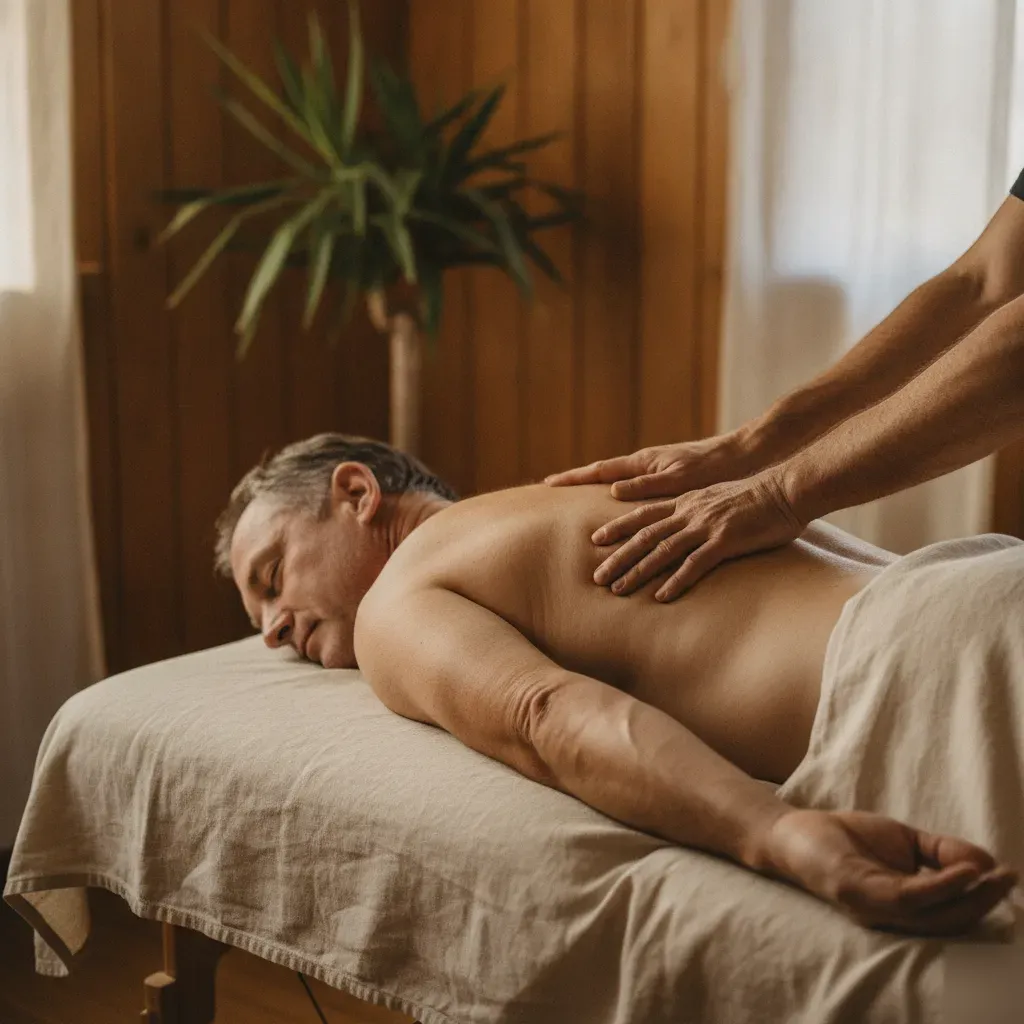

Match Your Symptoms to the Right Next Step
Not every ache calls for the same fix. Once you've noticed a few of the warning signs covered above, the next question is simple: what kind of massage fits what you're feeling? We hear this question a lot from clients walking into our Prosper location, and it's a good one to ask before you book anything.
Here's a quick way to think about it. Your body usually falls into one of a few patterns, and each pattern points toward a different approach.
- Tight shoulders and general tension from desk work or long drives up 380? A Swedish massage often works well here. It's lighter, calming, and good for stress that's built up over weeks rather than deep muscle knots.
- Deep, stubborn knots or chronic tightness in your back and legs? Deep Tissue Massage goes further into the muscle layers. This is the one most people ask for once they've tried lighter options and still feel stuck.
- Pain that seems to travel, like tightness in your hip that somehow shows up in your knee? That's often a fascia issue, and Myofascial Massage is designed to support the connective tissue causing that pull.
- Feeling stiff all over, almost like your whole body is one solid knot? Hot Stone Massage uses warmth to help muscles relax before deeper work begins.
We see this mistake often: someone books the lightest option because it sounds relaxing, when what their body needs is something with more pressure. And the opposite happens too, people go straight for deep tissue work when their body really just needed a calmer, slower session. Matching the right approach to what you're feeling makes a real difference in how your session goes.
So how do you know which one is right for you? Start with these three questions:
- Is the pain deep and specific, or more spread out and general?
- Has this tension built up over days, or has it been dragging on for months?
- Do you want something calming, or do you want firmer pressure that gets into the muscle?
Your answers usually point you toward the right session type pretty fast. And if you're still not sure, that's normal, most people aren't massage experts and shouldn't have to be.
This is where talking to someone in person helps more than reading a list online. Our team walks through your symptoms with you before your session starts, so you're not guessing. Clients coming from Frisco, Celina, and Aubrey often tell us they appreciate having someone explain the options instead of just handing them a menu.
If any of the symptoms above sound familiar, the easiest next step is to look at our Deep Tissue Massage page and see which option lines up with what your body's been telling you.
Frequently Asked Questions
Common questions about the signs your body needs a massage.
How can I tell if my tight shoulder is a muscle knot or just everyday tension?
A muscle knot usually feels deep and sore even with light touch, while regular tension sits closer to the skin and eases with a hot shower or stretch. If the sore spot does not move when you shift position, it is likely a real knot sitting near the muscle or bone. Nerve-related tightness often sends a tingling feeling somewhere else when you press on it. A trained therapist can feel the difference in seconds, which is hard to do on your own with a foam roller.
What should I expect during a deep tissue massage session?
You can expect firmer, slower pressure than a relaxation massage, focused on the layers of muscle causing your tightness. Your therapist will check in with you throughout the session and adjust pressure based on how your tissue responds, not just what you described at check-in. Sessions happen in a private suite so you can relax instead of rushing through it. Some soreness the next day is normal, especially if it is your first visit.
Is it true that massage is only for people with an injury?
No, that is a common misconception. Ongoing tightness, stress, poor sleep, and mental fog are reason enough to book a session on their own. Many Prosper clients wait months longer than they should because they think a dramatic injury has to happen first. Your body sends smaller signals long before pain shows up, like afternoon headaches or clenching your jaw without noticing.
Does Prosper's growth and traffic affect how tight my body feels?
Yes, longer commutes and more time sitting add up in your body even when you do not notice it day to day. Traffic on the Dallas North Tollway and long stretches at a desk are common causes of the lower back pain and stiff necks we see in clients. Prosper has grown fast, and the pace of daily life has grown with it. That extra sitting and stress is exactly the kind of tension a deep tissue session is built to address.
Can stretching or foam rolling fix tension without getting a massage?
Stretching and foam rolling help with surface tightness, but they usually cannot reach deep muscle knots or fascia restrictions. If you have been stretching for weeks with no real change, the problem is likely sitting deeper than a foam roller can reach. That is when a therapist’s hands-on adjustment makes the bigger difference.
How many of these signs mean it's time to book a massage?
If you recognize yourself in more than two or three signs, that is usually the point where waiting stops making sense. Tight shoulders, afternoon headaches, poor sleep, and lingering soreness often show up together rather than alone. Most people wait until pain stops them completely, but your body usually asks for help long before that.
Ready to Get Started?
Call us at (469) 762-9411, or book online. We're a physician-supervised, boutique wellness studio at 1630 W. Prosper Trail, #110, Prosper, TX 75078.