

What Are the 4 Main Types of Massage? A 2026 Guide for Prosper Residents
Swedish, deep tissue, myofascial, and hot stone, explained without the jargon.

The 4 Main Types of Massage, Explained Simply
Most people search "types of massage" right before a first appointment. They want to know what they're walking into, and that makes sense. So let's break down the four main types you'll see on almost every massage menu, including ours here in Prosper. Each one does a different job for your body.
We get asked this question almost every week at our private suite on Prosper Trail. A client will call and say, "I don't know what to book, I just know my shoulders are wrecked." Fair enough. Here's the rundown.
- Swedish Massage uses long, smooth strokes across the whole body. It's gentle, it's relaxing, and it's usually the best starting point if you've never had a massage before or if stress is your main issue.
- Deep Tissue Massage goes into the deeper layers of muscle. Our team uses slower, firmer pressure to help with tight areas that build up from sitting at a desk or training hard at the gym.
- Myofascial Massage focuses on the connective tissue, called fascia, that wraps around your muscles. This one uses sustained pressure and stretching instead of rubbing, which feels different but can help with stiffness that doesn't respond to regular massage.
- Hot Stone Massage combines warmed stones with massage strokes. The heat helps muscles relax faster, so the therapist can work a little deeper without it feeling harsh.
Here's the thing nobody tells you before your first massage. The "best" type isn't universal, it depends entirely on what your body needs that week. A runner training for a 5K in Frisco needs something different than someone who just spent eight hours hunched over a laptop in Prosper. And someone dealing with chronic tension in their neck and shoulders is going to want more than a light session.
Think about it this way: Swedish is the warm-up, Deep Tissue is the workhorse, Myofascial is the detail work, and Hot Stone is the add-on that makes everything feel more like a reset. None of these are competing with each other. They're tools, and a good therapist picks the right one for your goal that day.
We've noticed something in our own suite. Clients often show up asking for "the deep one" because they think pain equals progress. But that's not always true. Sometimes a lighter session does more for someone who's just stressed and not sleeping well. Other times, someone insists they're fine with light pressure, then realizes twenty minutes in that their shoulders needed real work the whole time.
One more thing worth knowing: these four types aren't locked into separate appointments. A session can blend techniques. Your therapist might open with Swedish strokes to warm up the tissue, move into deeper work on a tight spot, then finish light again.
Swedish Massage vs Deep Tissue: What's Different
Most people who walk into a wellness studio think all massage feels the same. It doesn't. Swedish massage and deep tissue massage are the two you'll hear about most, and they solve different problems. Mixing them up means you might book the wrong one and leave feeling like nothing changed.
Swedish massage uses long, smooth strokes with light to medium pressure. Think gliding hands, gentle kneading, slow rhythm. It's built to help your whole body relax and support circulation. Most clients describe it as calming, almost sleepy by the end. And that's the point. It's not meant to dig into a specific problem area. It's meant to help your nervous system settle down.
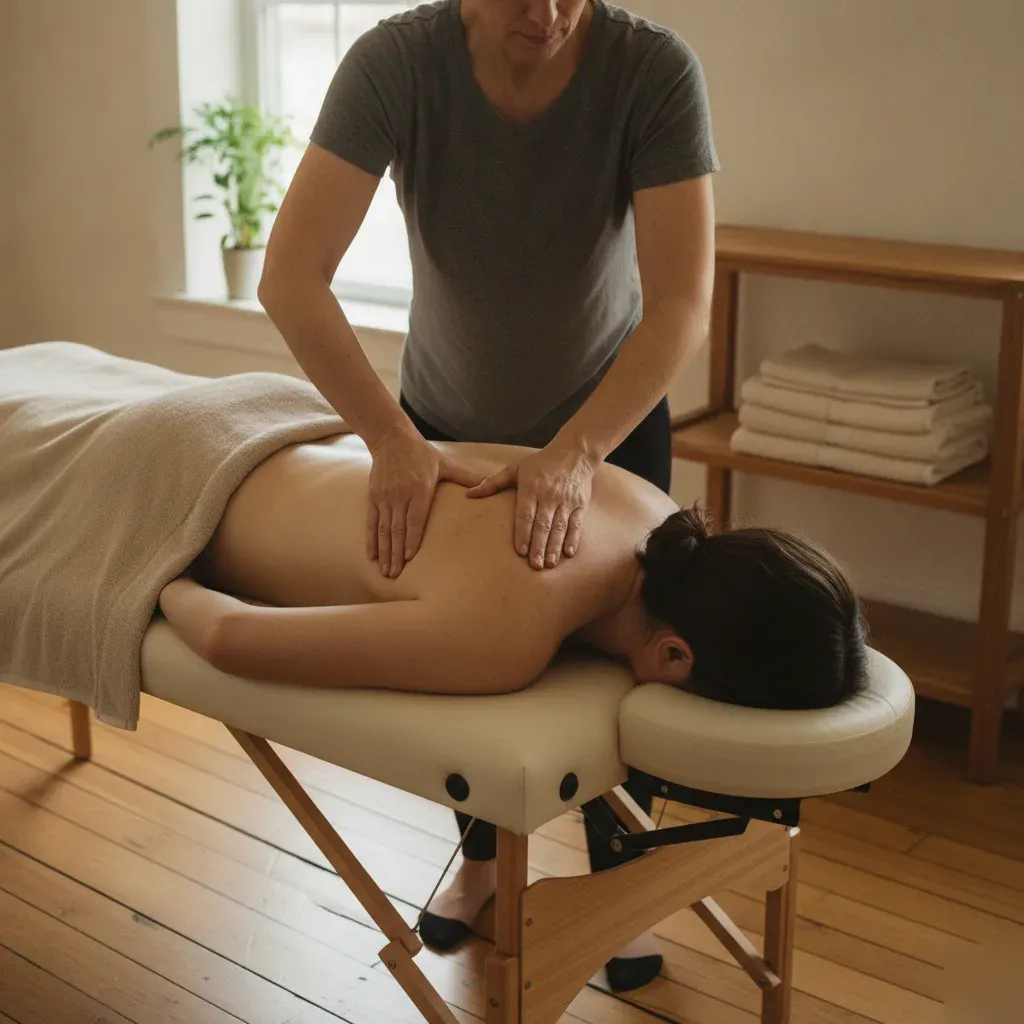
Deep tissue massage works differently. It uses firmer, slower pressure aimed at the deeper layers of muscle and connective tissue. A therapist trained in deep tissue will often use elbows, knuckles, or forearms instead of just palms. This isn't a light touch session. It's built for people carrying tension in specific spots, like a stiff lower back or tight shoulders from a desk job.
So which one should you pick? Here's a simple way to think about it:
- Choose Swedish massage if you're stressed, wired, or just need to unwind without any sore spots you're chasing
- Choose deep tissue if you have a specific tight area, like your neck after a long drive from Frisco or McKinney
- Choose Swedish massage if this is your first time getting a massage and you're not sure how your body will respond to pressure
- Choose deep tissue if lighter massage sessions haven't made a dent in your tension before
We see this mix-up often. A client books deep tissue expecting a relaxing hour and leaves sore because the muscle work was more intense than they expected. Or the opposite happens, someone books Swedish massage hoping it'll release a knot that's been bothering them for weeks, and it barely touches it. Neither experience is wrong, it's just a mismatch between the technique and the goal.
Here's a scenario we hear often. A client comes in after a stressful week of back-to-back meetings and travel between Plano and Prosper. She's not in pain, she's just tired and tense all over. Swedish massage is usually the better fit here. Compare that to a client who spends hours at a standing desk and has a knot between the shoulder blades that won't quit, deep tissue tends to make more sense for that kind of focused tension.
Pressure tolerance matters too. Deep tissue isn't for everyone, and it's not always the "stronger" or "better" option just because it sounds more intense. Some people love that firm pressure. Others find it uncomfortable and prefer to build up over a few sessions. Our team talks through this with every client before the session starts, because comfort matters as much as technique.
If you're still not sure which style fits your body, that's a normal question to have. You can read more details and book through our Swedish massage page for Prosper clients, where our team walks you through pressure options before you ever get on the table.
Why Pressure Level Doesn't Always Match the Technique
Here's a mix-up we hear almost every week at our Prosper location. A client calls and asks for "the deep one" because they think deep tissue always means firm pressure. But that's not quite right. Pressure and technique are two different things. One is how hard someone presses. The other is the method being used to work on your muscles. You can get a light Swedish massage or a firm one. Same with deep tissue. The name of the massage tells you the goal, not the pounds of pressure behind it.
Think of it like cooking. A recipe name tells you what dish you're making. It doesn't tell you how much salt to add. Massage works the same way.
So how does this play out in real life? Say two clients book a Swedish massage on the same afternoon. One wants barely-there pressure just to relax and unwind after a long week. The other wants firmer strokes because their shoulders feel tight from sitting at a desk all day. Both are getting Swedish massage. Both are getting different pressure. The therapist adjusts based on what the client says during the session, not based on a fixed rule tied to the technique's name.
This matters even more with deep tissue and myofascial massage. People assume deep tissue always hurts. It doesn't have to. And myofascial work, which focuses on the connective tissue layer under your skin, often uses slow, sustained pressure that isn't painful at all, just steady. We've had clients walk in expecting to grit their teeth through a myofascial session, then leave surprised at how gentle it felt.
A few things shape how much pressure you'll feel, no matter which technique you pick:
- How your body responds to touch that day, which can shift with stress, sleep, or soreness
- What you tell your therapist before and during the session
- Which areas need more attention versus a lighter touch
- Your own pain tolerance, which is different for everyone
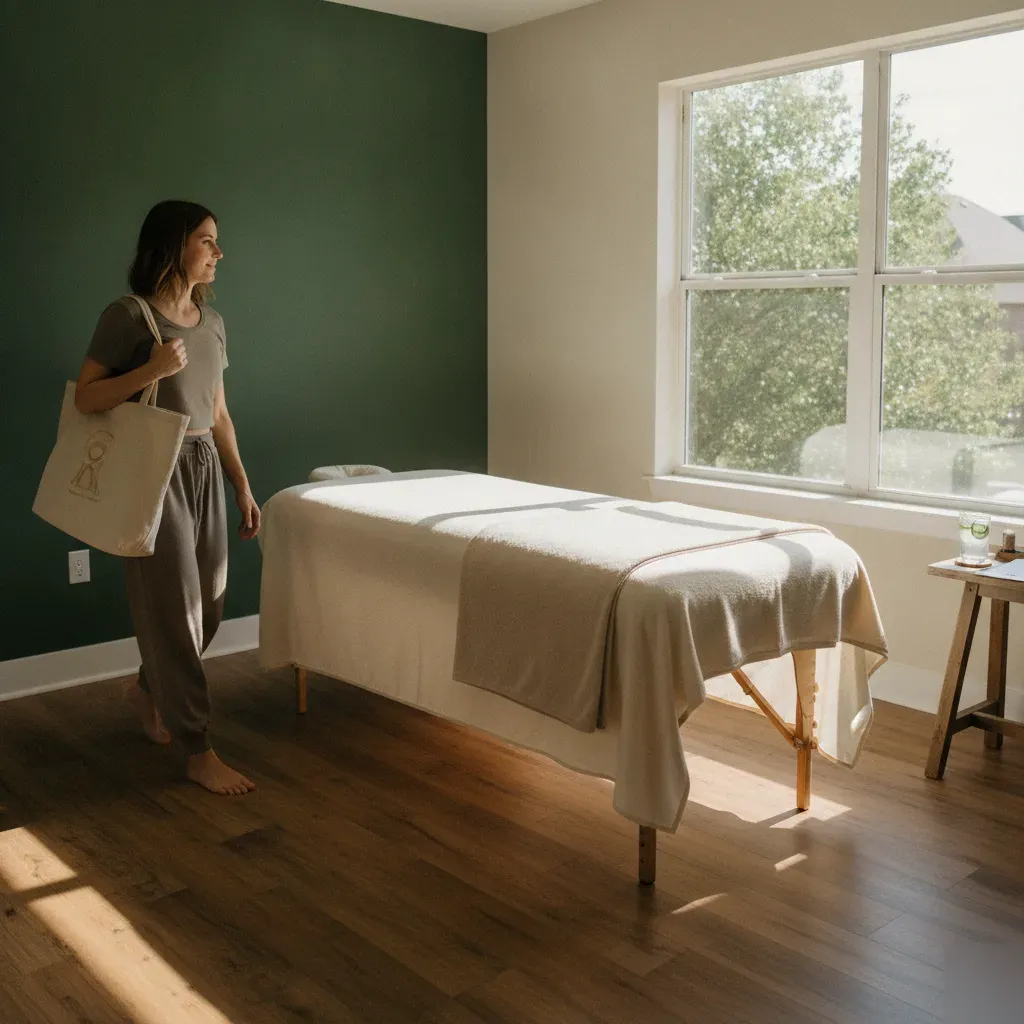
This is exactly why the intake conversation before your massage matters so much. At our Prosper studio, our team asks specific questions before you ever get on the table. Are you sore from workouts? Sitting most of the day? Dealing with tension from stress? Your answers shape the pressure, not just the technique you booked.
Here's a simple way to think about it going forward:
- Pick the technique based on your goal, like relaxation, tension relief, or tightness in one area
- Talk to your therapist about your pressure preference before starting
- Speak up during the session if something feels too intense or too light
- Trust that adjustments are normal, not a disruption
If you're booking a massage in Prosper, don't stress over matching a pressure level to a name. Focus on the outcome you want, whether that's feeling calmer, less stiff, or just more like yourself again. The technique sets the direction. The conversation with your therapist sets the pressure.
Frequently Asked Questions
Common questions about the main types of massage.
What should I expect during my first massage appointment?
You should expect a short conversation before anything starts. Your therapist will ask about tight spots, stress level, and pressure preference so the session matches your goals. You will lie under a sheet, draped comfortably the whole time. Most first sessions start lighter, then adjust based on how your body responds.
Does more pressure always mean a better massage?
No, more pressure does not always mean better results. Many people think pain equals progress, but that is a common mistake. A lighter Swedish session often helps more when stress and poor sleep are the real issue, not muscle tightness. Firmer pressure works best for specific tight spots, not as a general rule for every session.
How does an active lifestyle in Prosper affect which massage I need?
An active lifestyle usually means your muscles need firmer, targeted work rather than a light relaxation session. Runners training on Prosper trails or lifters at local gyms often build tightness in the hips, calves, and shoulders. Deep tissue or myofascial work tends to help more here than a gentle Swedish session.
Can a single massage session mix different techniques?
Yes, one session can blend several techniques without any issue. A therapist might open with Swedish strokes to warm up your muscles, move into deeper work on a stiff area, then finish light again. Blending techniques lets your therapist respond to what your body needs, instead of sticking to one method the whole hour.
What's the real difference between myofascial and deep tissue massage?
Myofascial massage targets the connective tissue wrapping your muscles, while deep tissue targets the muscle layers themselves. Myofascial work uses sustained pressure and stretching, which feels slower and different from typical rubbing strokes. Deep tissue uses firmer, moving pressure aimed at knots and tight muscle fibers.
How often should I get a massage to notice a difference?
Most people notice a difference after two to three sessions spaced a few weeks apart. One massage can ease stress or a single tight spot, but ongoing tension usually needs a short pattern of visits. Your body holds onto stress differently depending on your job, workouts, and sleep.
Ready to Get Started?
Call us at (469) 762-9411, or book online. We're a physician-supervised, boutique wellness studio at 1630 W. Prosper Trail, #110, Prosper, TX 75078.